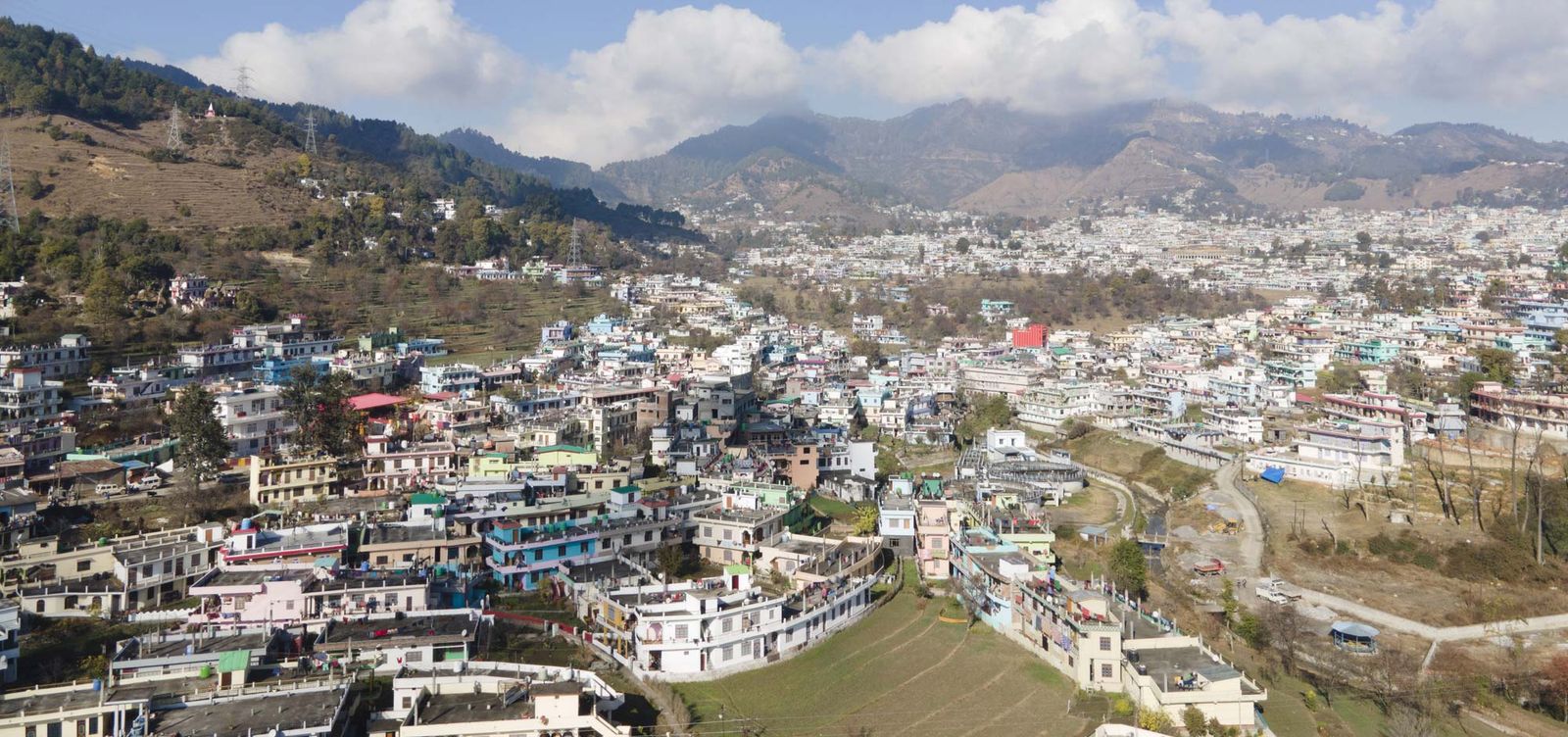
The snow-capped ramparts of Nanda Devi, Panchachuli, and Api don't just sit on the horizon here — they tower over you like sentinels guarding the edge of the world. Pithoragarh, tucked into a bowl-shaped valley in Uttarakhand's Kumaon hills, has earned the nickname "Little Kashmir" from those lucky enough to stumble upon it. And honestly? The comparison barely does it justice.
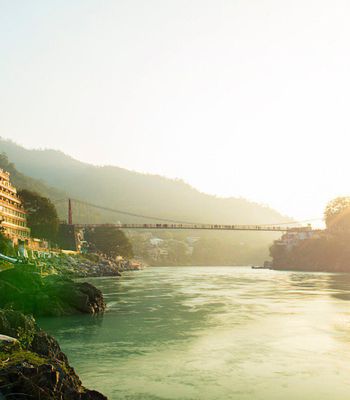
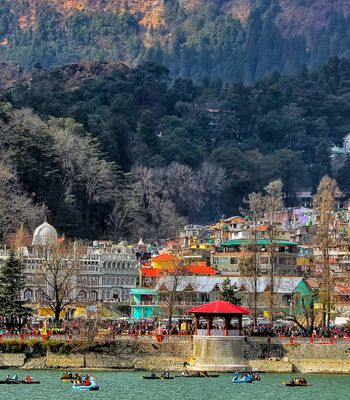
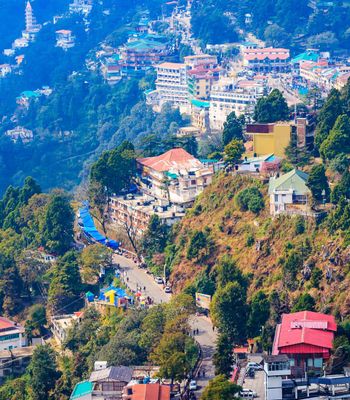
At roughly 5,500 feet above sea level, this small administrative town sits cradled by the Soar River, surrounded by ridgelines draped in pine and deodar. It hasn't been polished for tourist consumption. No neon-lit promenades, no overcrowded viewpoints. What you'll find instead is the unhurried pulse of mountain life — farmers working terraced fields, temple bells echoing across the valley, and strangers offering chai with a smile that feels like it's been waiting for you.
Pithoragarh also serves as the gateway to some of India's most sacred Himalayan journeys, including the legendary Kailash Mansarovar Yatra. Pilgrims and trekkers have passed through this valley for centuries, and that sense of being on the threshold of something extraordinary still lingers in the air.
A Valley That Steals Your First Breath
Step out on a clear morning and the landscape hits you all at once — dense forest cascading down the hillsides, the Soar River threading silver through the valley floor, and above it all, a jagged wall of white peaks blazing in the early light. Sunrise here isn't something you watch. It's something that washes over you.
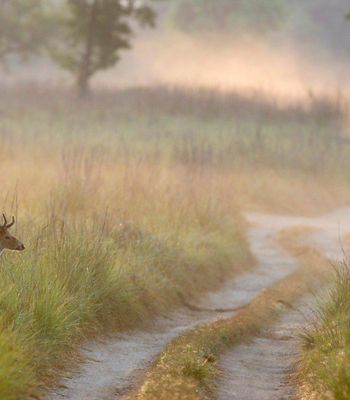
Photographers linger for hours chasing the way golden light slides across Panchachuli's five summits at dusk. Birdwatchers go quiet in the deodar groves, ears tuned to the calls of Himalayan species they've only read about. The panoramic views rival anything you'd find at far more famous hill stations — minus the jostling elbows and selfie sticks.
Centuries Carved Into Stone
Wandering Pithoragarh on foot peels back layers of history you won't find in guidebooks. The Pithoragarh Fort, raised by Gorkha forces in the early 19th century, still clings to its hilltop perch — weathered, partially crumbled, but unmistakably commanding. Running your hand along its rough stone walls, you can almost hear the strategic calculations that once echoed through these corridors.
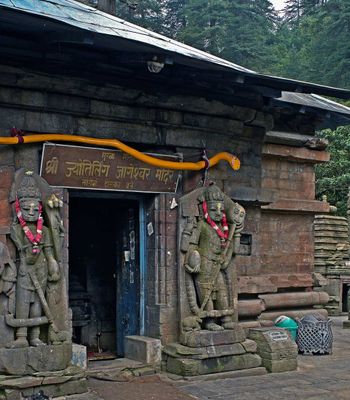
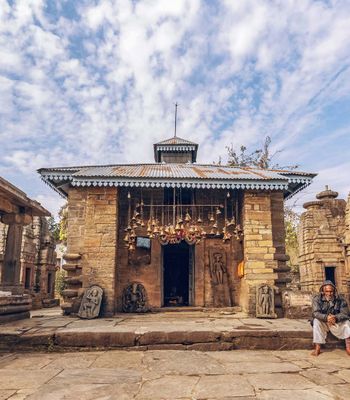
Nearby, the cave shrine of Kapileshwar Mahadev draws devotees into its cool, incense-laced interior. But it's Dhwaj Temple that truly rewards the effort — a steep climb up a forested ridge that opens, breathlessly, onto what might be the finest viewpoint in the entire district. Bring water. Bring a camera. Leave room on your memory card.
Where Every Trail Tells a Story
Serious trekkers use Pithoragarh as a launchpad for the Milam Glacier expedition, one of the largest glaciers in the Kumaon Himalayas and a route that winds through some of the most dramatic high-altitude scenery you'll ever encounter. It's not a casual outing — but the payoff is immense.
Craving something gentler? Chandak, just seven kilometers from town, offers a day hike that practically anyone can manage. The trail delivers sweeping views of the Panchachuli range without demanding crampons or a week's worth of supplies. The surrounding forests, meanwhile, hum with birdlife year-round — keep your binoculars close and your footsteps soft.
Bazaars, Bhatt Ki Churkani, and Bonfire Festivals
The main market in Pithoragarh smells like roasted spices, fresh wool, and woodsmoke. Stalls overflow with handmade shawls, local honey, and rough-hewn wooden crafts that feel a world away from factory souvenirs. Linger here long enough and a shopkeeper will likely press a cup of something warm into your hands.
Kumaoni cuisine won't dazzle you with complexity — it'll win you over with honesty. Hearty dishes built around locally grown grains, slow-simmered lentils, and whatever vegetables the season delivers. Every bite tastes like the altitude and the earth it came from.
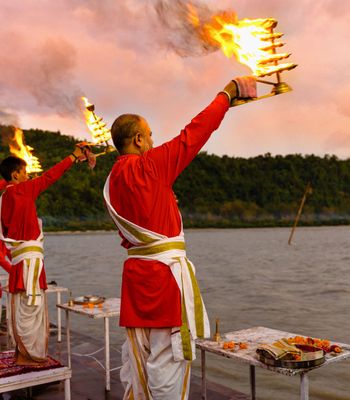
Time your visit around Makar Sankranti or the legendary Jauljibi Fair — held where the Gori and Kali rivers crash together — and you'll witness the valley transform. Drums pound, folk dancers spin in brilliant colors, and traders from both sides of the Indo-Nepal border haggle over everything from wool blankets to dried herbs. These gatherings aren't staged for tourists. They're the living heartbeat of a community that has celebrated this way for generations.
When to Pack Your Bags
Spring (March to May) carpets the hillsides in wildflowers and delivers mild temperatures perfect for trekking. Autumn (September to November) is the showstopper — skies so clear the Himalayas look close enough to touch, every ridge etched in crystalline detail.
Avoid the monsoon months of July and August unless you enjoy landslides and road closures. Heavy rains pummel the region and can strand even experienced travelers. Winter dusts the higher elevations in white, creating a stark, silent beauty — though the town itself stays reachable for those who don't mind bundling up.
The Kind of Place That Changes Your List
Pithoragarh doesn't shout for attention. It doesn't need to. One morning watching the sun ignite the Panchachuli peaks, one evening listening to temple bells dissolve into the valley's stillness, and you'll understand why the travelers who find this place rarely stop talking about it.
Come for the mountains. Stay for the temples, the trails, the warmth of strangers who treat guests like family. Leave with the quiet, stubborn feeling that you've discovered something most of the world hasn't noticed yet — and that maybe, selfishly, you'd like to keep it that way.