A thunderous wall of drumbeats hits your chest before you even see the elephants. Thousands of voices rise in unison, fireworks shatter the night sky, and somewhere in the middle of it all, you realize — this is Thrissur, and nothing could have prepared you for it.
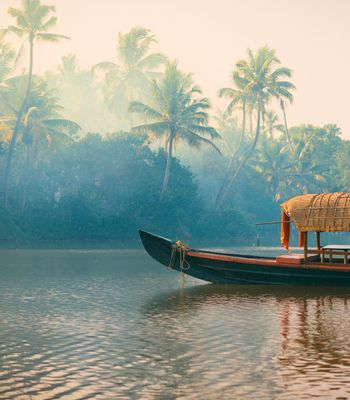
Often called Kerala's cultural capital, Thrissur isn't your typical South Indian getaway. Forget the backwaters and palm-fringed beaches for a moment. This city runs on something deeper — centuries of art, devotion, and a creative spirit woven into every street corner, every temple courtyard, every rhythmic beat of a chenda drum.
A Landscape That Breathes
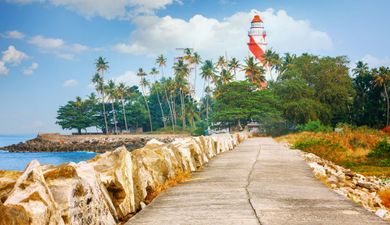
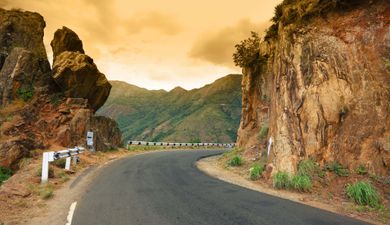
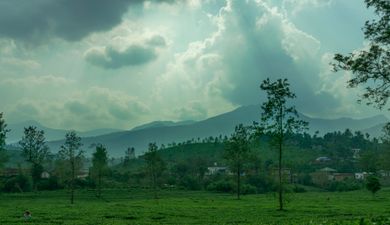
Gentle hills roll into emerald paddy fields, and coconut groves stretch endlessly beneath the shadow of the Western Ghats rising to the east. Rivers — the Bharathapuzha and the Chalakudy — carve quietly through the district, feeding the soil and sustaining farming traditions that have barely changed in generations.
Come during monsoon season, and the transformation is staggering. Every surface glistens. Rain-soaked fields mirror the moody, overcast sky, and the air carries that unmistakable petrichor — rich, earthy, alive. The green here isn't just one shade; it's fifty, layered and luminous.
Where the Earth Trembles: Thrissur Pooram
At the city's very core stands the Vadakkunnathan Temple, an ancient shrine dedicated to Lord Shiva, encircled by the vast, open Thekkinkadu Maidan. This isn't just a place of worship — it's the stage for one of the most electrifying spectacles on the planet.
Thrissur Pooram, held in April or May, draws hundreds of thousands of people into a frenzy of color, sound, and devotion. Rows of caparisoned elephants — draped in gold-trimmed cloth, their foreheads gleaming — process through the grounds with regal calm. Behind them, chenda melam ensembles unleash percussive walls of rhythm so powerful you feel each beat reverberate through your ribcage.
Then come the fireworks. Not a modest finale — an all-out, sky-splitting crescendo that rivals anything you've witnessed anywhere on earth. Time your visit for Pooram if you possibly can. You won't forget it.
Art That Lives and Breathes Year-Round
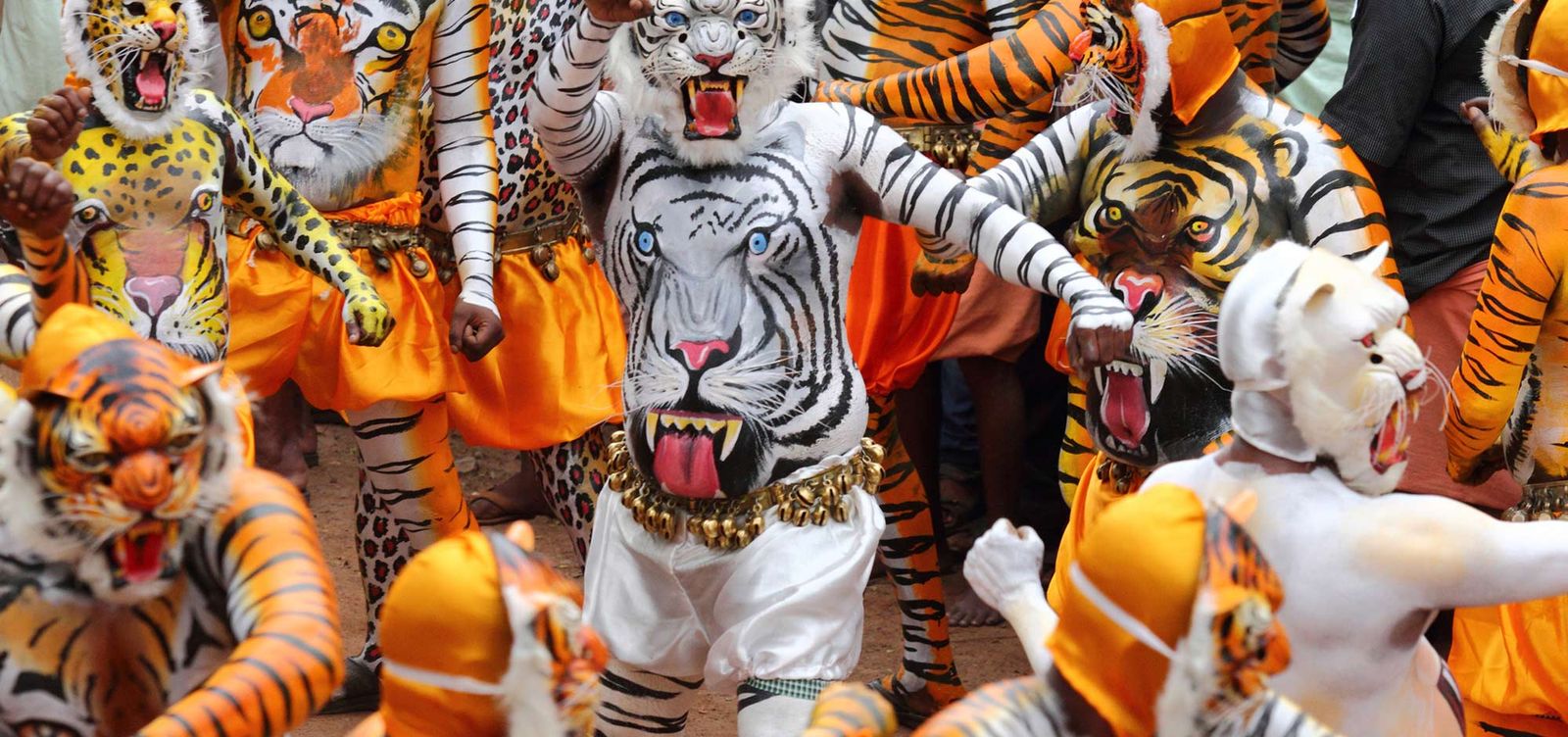
Even without the festival frenzy, Thrissur hums with creative energy every single day. Classical art forms like Kathakali — with its elaborate face paint and hypnotic storytelling — Mohiniyattam, and the ancient Sanskrit drama Koodiyattam aren't museum relics here. They're living, breathing traditions performed in temple courtyards and cultural academies across the city.
Make the short trip to Cheruthuruthy, where the Kerala Kalamandalam stands as one of India's most revered institutions for classical performing arts. Watch young students practice centuries-old movements with fierce concentration, their bare feet slapping against cool stone floors. It's a rare, intimate window into how tradition survives — not preserved in amber, but passed hand to hand, generation to generation.
Sacred Spaces, Side by Side
Beyond Vadakkunnathan's ancient walls, the city's skyline tells a story of remarkable coexistence. The Our Lady of Lourdes Syro-Malabar Catholic Cathedral — one of the largest churches in all of Asia — rises dramatically above the streets. Nearby, mosques lift their minarets, and smaller temples tuck themselves into quiet neighborhoods.
Hindu, Christian, and Muslim communities have shared these streets for generations, and that harmony is tangible. Wander the older neighborhoods and you'll notice it everywhere — in the architecture that borrows from multiple traditions, in the overlapping aromas drifting from kitchens, in the easy, multilingual chatter spilling from tea shops.
Wild Escapes Just Beyond the City
When your senses need a reset, the surrounding district delivers beautifully. Consider these day trips:
- Athirapally Falls — often called the Niagara of India, where a massive cascade roars through thick, mist-drenched forest, spraying your face from dozens of meters away
- Vazhachal Falls — just upstream, quieter and cradled by protected woodland where the only soundtrack is rushing water and birdsong
- Peechi Dam and Wildlife Sanctuary — home to deer, wild elephants, and a dazzling variety of birds; the reservoir itself gleams like glass on calm mornings
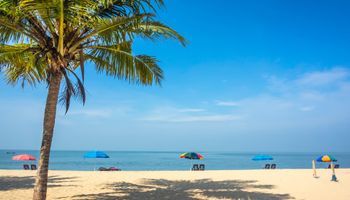
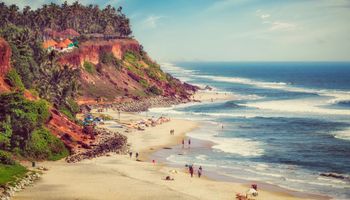
- Snehatheeram Beach in Nattika — a clean, unhurried stretch of coastline where the sand cools under your feet as the sun dips into the Arabian Sea
Eat Like You Mean It
The smell hits you first — coconut oil crackling in iron pans, curry leaves sizzling, the warm sweetness of freshly made appam rising from a roadside stall. Thrissur's food scene is Kerala cuisine at its most honest and unapologetic.
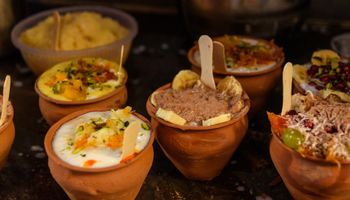
Dig into appam paired with a fragrant, creamy stew. Tear into fresh fish preparations thick with coconut milk, black pepper, and fiery local spices. Skip the fancy restaurants — the best meals hide in small family-run eateries and street-side carts, served on steel plates for remarkably little money.
And whatever you do, don't leave without sitting down for a sadya. This traditional vegetarian feast, served on a fresh banana leaf, unfolds as a parade of flavors — tangy, sweet, spicy, bitter — each dish placed in a precise order, each bite a small ceremony. It's not just a meal. It's an education in how food and ritual intertwine here.
Getting There and When to Go
Reaching Thrissur is refreshingly easy. A well-connected railway station links it to cities across India, and Kochi International Airport sits just a short drive away — convenient for international arrivals too.
Warmth and humidity define the climate year-round, but the sweet spot falls between October and March, when temperatures ease up and the air feels gentler on your skin. That said, arriving during monsoon carries its own magic — fewer crowds, dramatic skies, and a landscape so green it almost hurts your eyes.
No matter when you show up, Thrissur doesn't just welcome you. It pulls you in — with the depth of its culture, the generosity of its people, and a creative spirit that pulses through every temple bell, every drumbeat, every plate of food placed before you.