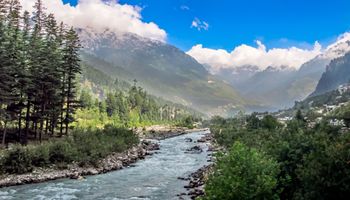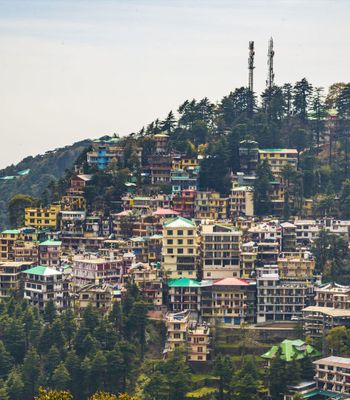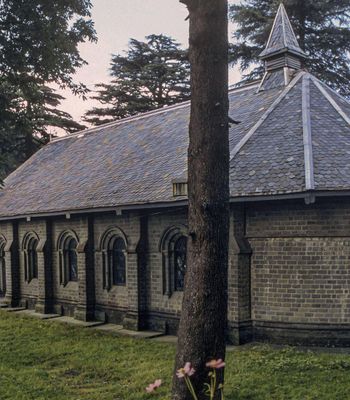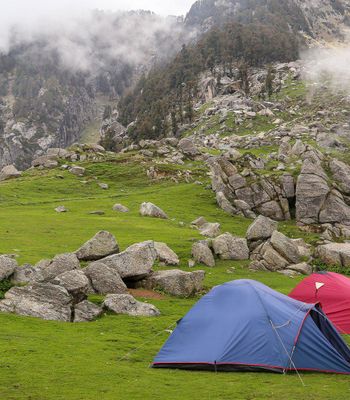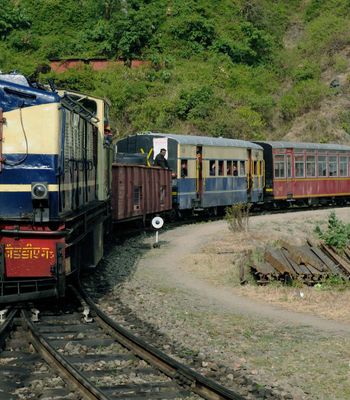
The Sutlej River thunders through a deep gorge below, its roar echoing off canyon walls as your bus rounds yet another hairpin bend — and suddenly, there it is. Rampur unfolds along the riverbank like a secret that most travelers accidentally keep driving past. Tucked into Himachal Pradesh's dramatic middle hills, this unassuming town sits at a crossroads of ancient trade routes, mountain cultures, and landscapes so striking they stop conversations mid-sentence.
Where the Mountains Never Stay Still
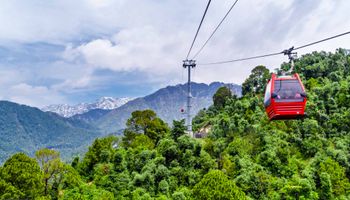
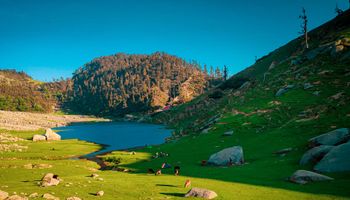
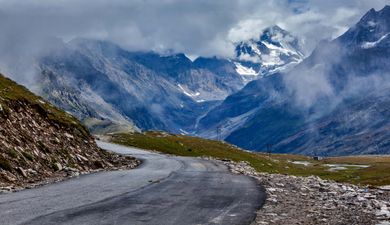
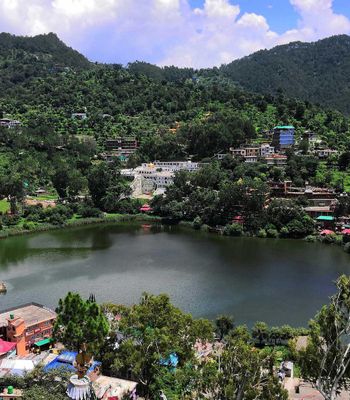
Nothing about Rampur's surroundings feels static. The Sutlej carves relentlessly through steep gorges and wide-open valleys, and every bend in the road reveals a completely different panorama — craggy cliffs giving way to terraced fields, forested slopes dissolving into austere high-altitude rock as the highway climbs toward Kinnaur.
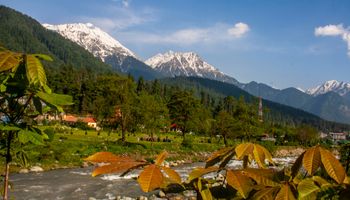
Towering peaks crowd the horizon in every direction, their snowcaps catching the first and last light of day. Visit in autumn, and you'll catch the hillsides dressed in burnished gold and copper, the entire valley glowing like embers beneath a crystalline sky. It's the kind of beauty that makes you pull over, lean against the car, and just breathe.
A Town Shaped by Silk, Salt, and Centuries of Trade
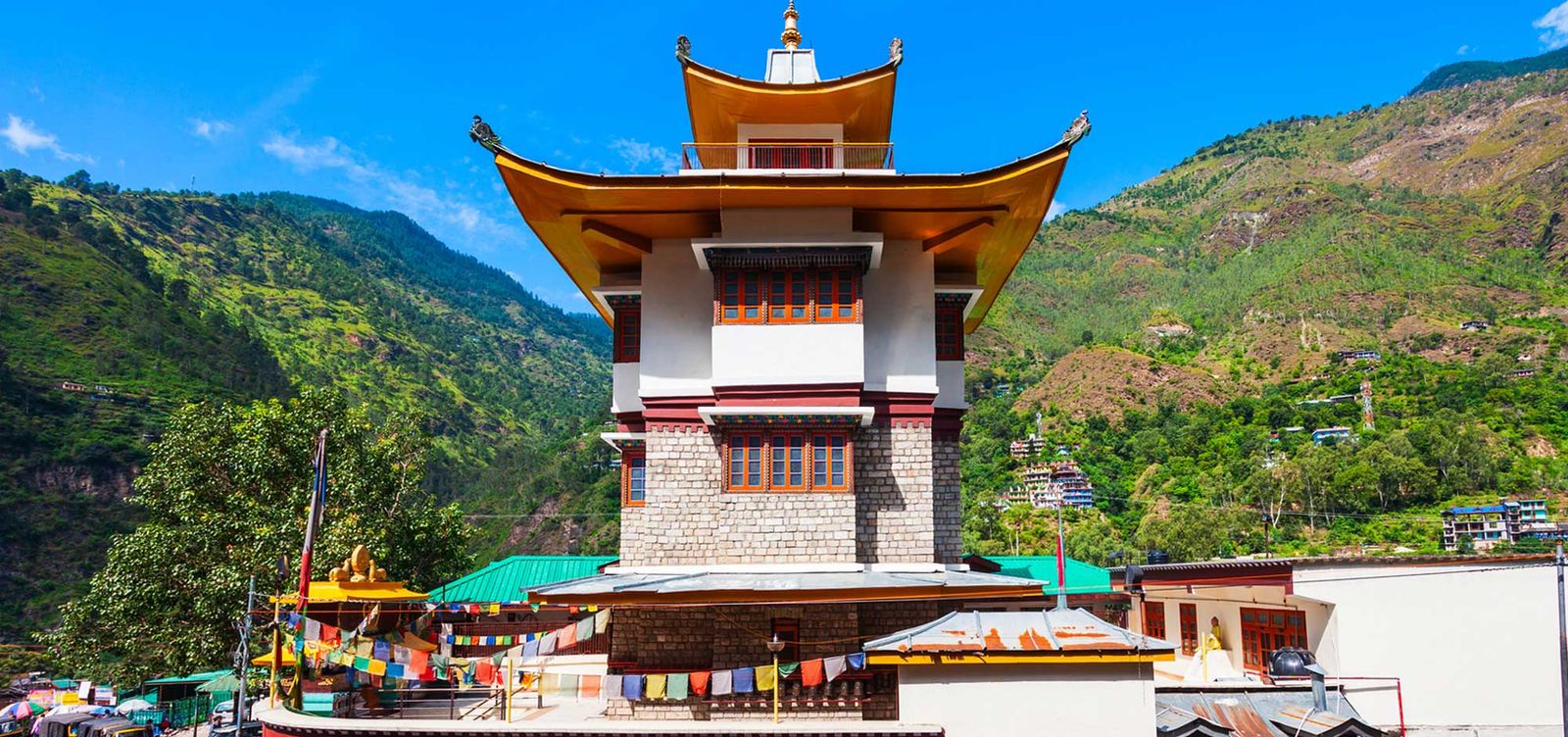
Long before highways connected these mountains, Rampur was already a bustling hub. Caravans carrying wool, salt, spices, and silk once crossed between India, Tibet, and Central Asia right through this valley — and that legacy hasn't faded. Wander through the older quarters of town and you'll feel it: Pahari woodwork alongside Kinnauri ornamentation, doorways and balconies that whisper of a time when cultures collided and mingled freely.
The architecture here isn't museum-piece preservation. It's living, layered, a little worn at the edges — exactly the way a place with genuine history should feel.
The Lavi Fair: A Centuries-Old Gathering That Still Pulses with Life
Every November, Rampur transforms. The Lavi Fair — a trade festival stretching back several centuries — floods the town with vendors, families, and folk performers from across the region. What was once a critical exchange point for goods crossing the India-Tibet border is now a riot of color, sound, and energy.
Stalls overflow with handwoven Kinnauri shawls, local handicrafts, and steaming plates of regional food. Drums beat over the hum of bartering voices. Children dart between legs while elders settle into animated negotiations they've been having, in some form or another, for generations. If your timing allows, build your visit around this fair — it's one of those rare events where tradition doesn't feel staged for tourists. It simply is.
Trails, Rivers, and the Kind of Quiet That Recharges You
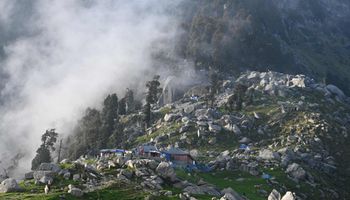
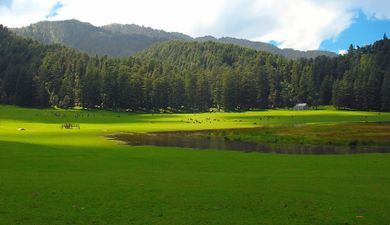
Beyond the cultural richness, Rampur makes a superb launchpad for getting your boots dirty. Trekking trails wind through dense stands of pine and deodar cedar, the resinous scent sharp in the cool mountain air, with occasional clearings that open up to vertiginous views of the Sutlej snaking far below.
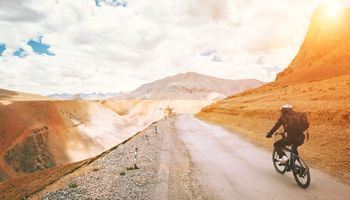
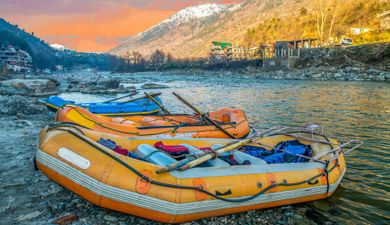
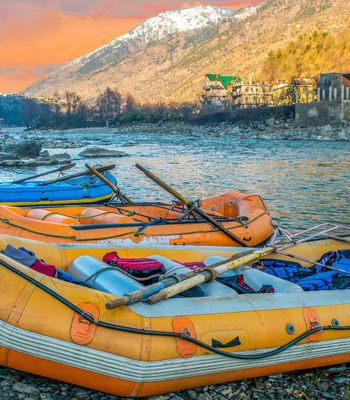
Cyclists love the river-hugging roads, and nature enthusiasts find their rhythm simply by walking the riverbanks — sitting on sun-warmed boulders, listening to the muscular rush of glacial water, watching kingfishers dart between the rocks. The warmer months, roughly April through October, are prime time for all of it.
Don't Miss These Nearby Treasures
- Padam Palace — a stately heritage structure that speaks to the grandeur of the Bushahr royal dynasty, its balconies overlooking the river valley
- Narayan Temple — a revered local shrine where incense smoke curls through carved stone doorways
- Sarahan & the Bhimakali Temple Complex — just a detour away, this stunning hilltop temple blends Hindu and Buddhist architectural traditions against a backdrop of soaring Himalayan peaks
- Kinnaur Valley — the scenic national highway passes right through Rampur, making it your gateway to apple orchards, dramatic river crossings, and some of Himachal's most jaw-dropping mountain roads
When to Go and What to Know
Spring (April–May) and early autumn (September–October) deliver the sweetest conditions — clear skies, open roads, and temperatures that feel like a gentle exhale after the intensity of the plains. Summer stays manageable in the valley, though the midday sun can surprise you. Winters bring biting cold and unpredictable road closures at higher elevations, so save the deep-winter trip for when you're feeling truly adventurous.
Rampur's marketplace has an honest, unhurried energy. Browse stalls selling regional produce, thick woolen textiles, and everyday mountain necessities. Strike up a conversation with a shopkeeper — most residents speak Hindi comfortably — and you'll likely hear stories steeped in local pride, tales of the old trade days, recommendations for a viewpoint you'd never find on Google Maps.
The Best Reason to Stop? Everyone Else Drives Right Past
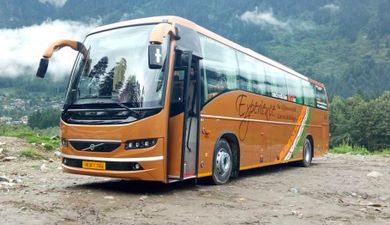
Rampur doesn't fight for attention. It doesn't need to. While tour buses barrel toward Kinnaur and Spiti, this town quietly offers what so many over-touristed hill stations have lost: genuine pace, real connection, and that rare feeling of discovering something on your own terms.
Whether you linger for a few hours or settle in for several days, Rampur has a way of working itself under your skin. Weeks later, you'll find yourself thinking about the sound of the Sutlej at dusk, the golden light on those autumn hillsides, the warmth of a stranger's welcome — and wondering when you can go back.