The Ravi River has been carving its story through this valley for millennia, and somehow, Chamba has barely changed alongside it. Tucked into Himachal Pradesh like a well-kept secret, this ancient hill station doesn't compete for your attention — it simply earns it, one crumbling temple and one chai-sipping afternoon at a time. While flashier Himalayan towns have surrendered to souvenir shops and traffic jams, Chamba holds steady at its own unhurried rhythm, rewarding every traveler willing to linger.
A Valley That Breaks the Rules
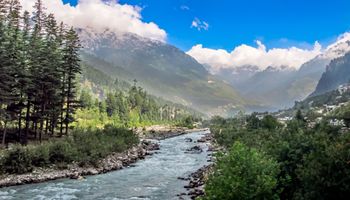
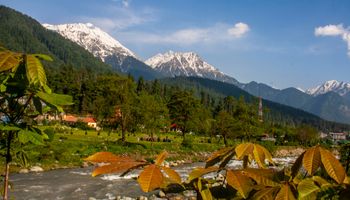
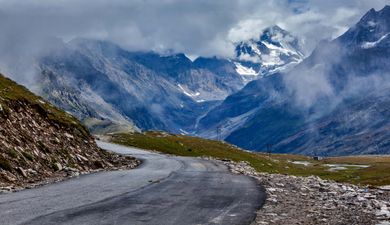
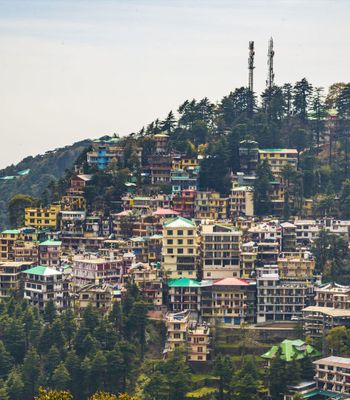
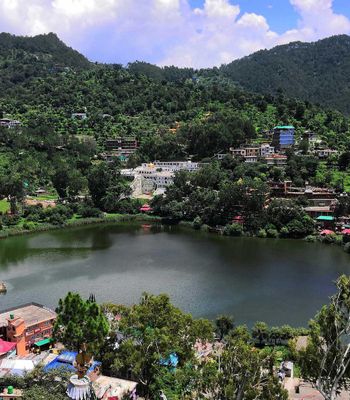
Here's what catches you off guard: Chamba doesn't cling to a mountainside like most hill stations. Instead, it stretches across a broad, almost flat plateau at roughly 3,000 feet, the Ravi River gleaming below and the snow-dusted peaks of the Dhauladhar and Zanskar ranges framing the horizon like a painted backdrop.
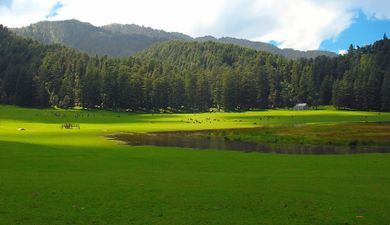
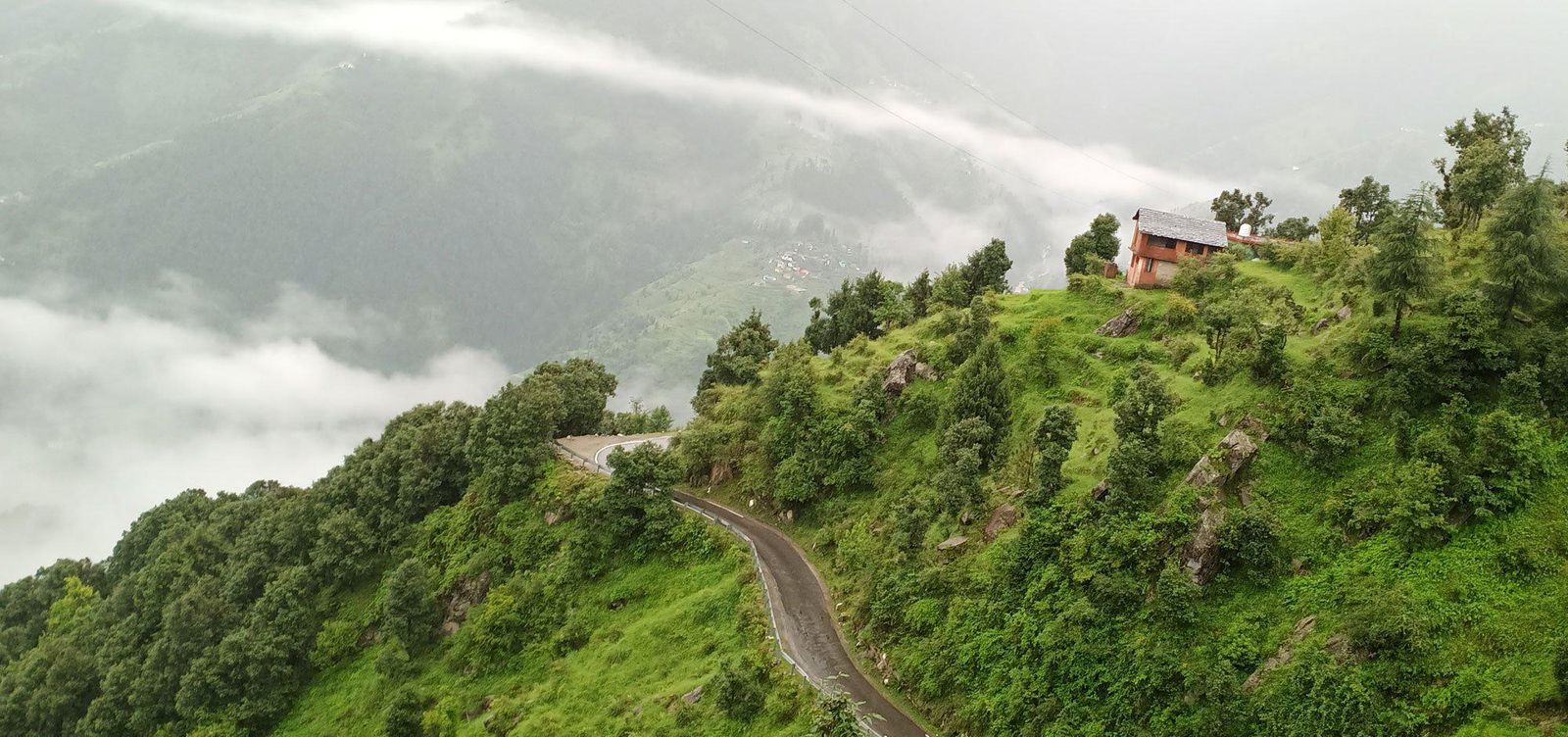
Thick forests of deodar and pine climb the surrounding slopes, their resinous fragrance drifting into town on cool morning breezes. Terraced fields staircase down the hillsides in geometric perfection. Come spring and summer, wildflowers erupt across every meadow — splashes of purple, yellow, and white against an impossibly green canvas. By autumn, the valley turns amber and gold, the kind of light that makes even a phone camera look professional.
The Chaugan: Where Chamba's Heart Beats Loudest
Every town has a soul, and Chamba wears its right in the center. The Chaugan — a vast, open green — pulses with life from dawn to dusk. Cricket balls arc through the air as kids shout in Himachali, elderly couples stroll arm-in-arm along the perimeter, and the scent of freshly fried pakoras wafts from the small eateries lining its edges.
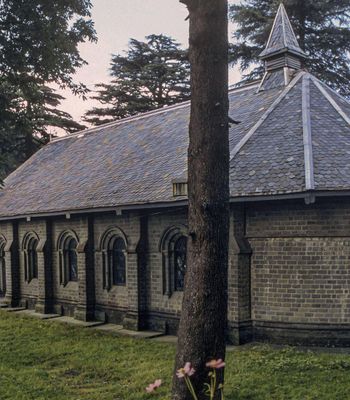
Colonial-era buildings with weathered wooden balconies stand shoulder to shoulder with local shops selling woolens and handmade crafts. Pull up a bench, order a cup of milky chai, and just watch. You'll feel the entire town's daily rhythm unfold around this single, generous space — no crowds, no honking, just the easy hum of a community that hasn't forgotten how to slow down.
Temples, Textiles, and a Thousand Years of Memory
Few small Indian towns carry this much history in their bones. The Chamba kingdom was founded in the 6th century, and its legacy lives on in stone, pigment, and thread. Lakshmi Narayan Temple — a striking complex of six Shikhara-style shrines — rises against the sky with a grandeur that silences you the moment you step inside its courtyard. Run your fingers along the intricately carved stone doorways and feel the devotion of craftsmen who worked centuries before you were born.
Chamunda Devi Temple offers a different energy — intimate, perched with sweeping views, thick with the scent of incense and marigold garlands. Then there's the Bhuri Singh Museum, where glass cases hold exquisite Pahari miniature paintings in jewel tones so vivid they seem lit from within. Don't miss the Chamba rumals — delicately embroidered handkerchiefs depicting mythological scenes in silk thread so fine it's hard to believe human hands created them. These aren't just museum pieces; they're a living folk art that has earned Chamba a place on India's cultural map. Pick one up as a souvenir and you'll carry home something genuinely irreplaceable.
Trails, Sacred Lakes, and Riverside Thrills
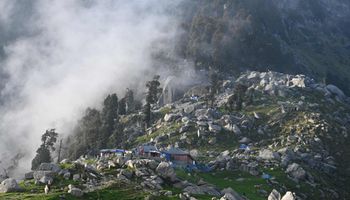
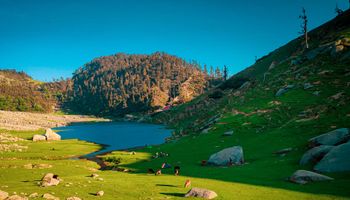
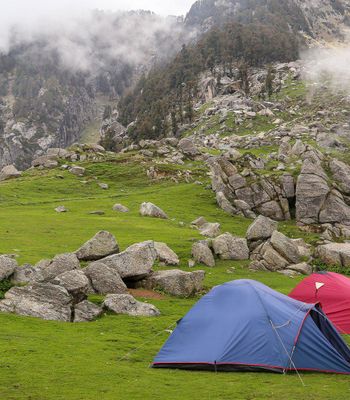
Lace up your boots, because the landscape around Chamba begs to be explored on foot. Trekking routes climb from the town toward higher altitudes, with the trail to Manimahesh Lake standing out as the crown jewel — a sacred pilgrimage site cradled at the base of Mount Manimahesh, where glacial waters mirror the peak above in heart-stopping clarity.
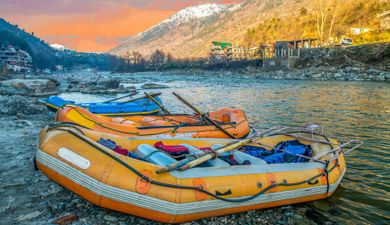
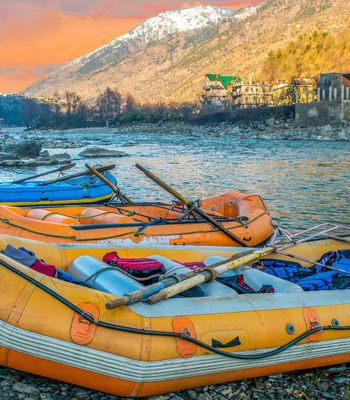
Spring and summer send adventure seekers to the Ravi River for rafting and kayaking, the water running cold and fast with snowmelt. Prefer something gentler? Shorter forest walks weave through deodar groves alive with Himalayan birdlife — keep your eyes open for colorful minivets and laughingthrushes flitting between the branches. The sweet, earthy smell of pine needles underfoot and the distant sound of cowbells make these trails feel like therapy.
Aim for March through June or September through October — the weather stays mild, skies cooperate, and most trails remain accessible.
Minjar Festival: When the Whole Town Becomes a Celebration
If your timing is right, late July or August drops you into the middle of the Minjar Festival, and nothing else in Himachal Pradesh quite compares. For an entire week, Chamba erupts in color — folk dancers whirl in embroidered shawls, drums and flutes fill the air, and processions snake through town carrying silk tassels called Minjar, shimmering symbols of the maize harvest.
On the festival's final day, crowds gather at the riverbank to toss their Minjar offerings into the Ravi, a gesture of gratitude that has repeated itself for centuries. The Chaugan transforms into a fairground buzzing with food stalls, games, and laughter. Standing in that crowd, surrounded by families dressed in traditional Himachali attire, you don't just observe a tradition — you feel it wrap around you like something ancient and alive.
Getting There Is Half the Adventure
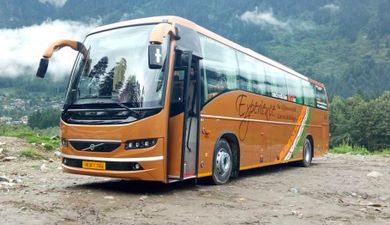
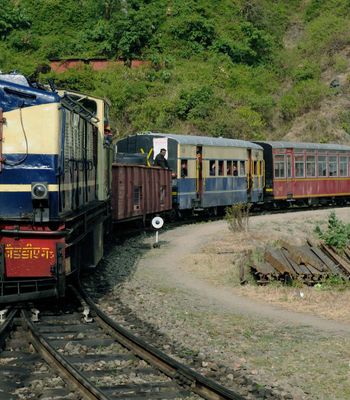
Chamba sits off the beaten tourist circuit, and reaching it requires a winding mountain drive from either Dalhousie (about 2 hours) or Pathankot (around 4 hours). Regular buses run both routes, though hiring a private car gives you the freedom to stop at every jaw-dropping viewpoint along the way — and trust me, there are many.
Once you arrive, leave the wheels behind. Nearly everything worth seeing sits within walking distance, and exploring Chamba on foot is half its charm — every narrow lane seems to reveal another carved doorway, another temple spire, another friendly local happy to point you in the right direction.
A Town That Rewards Those Who Linger
Chamba doesn't shout for your attention or dress itself up for Instagram. What it offers is rarer: ancient temples still warm with daily prayer, folk art traditions passed down through unbroken generations, and a landscape where rivers meet mountains in quiet, staggering beauty. Whether you've come chasing history, seeking spiritual solitude, craving high-altitude trails, or simply needing a place where time loosens its grip — this centuries-old valley delivers.
Slow down here. Chamba has been waiting over a thousand years. It's in no rush, and once you arrive, neither will you be.