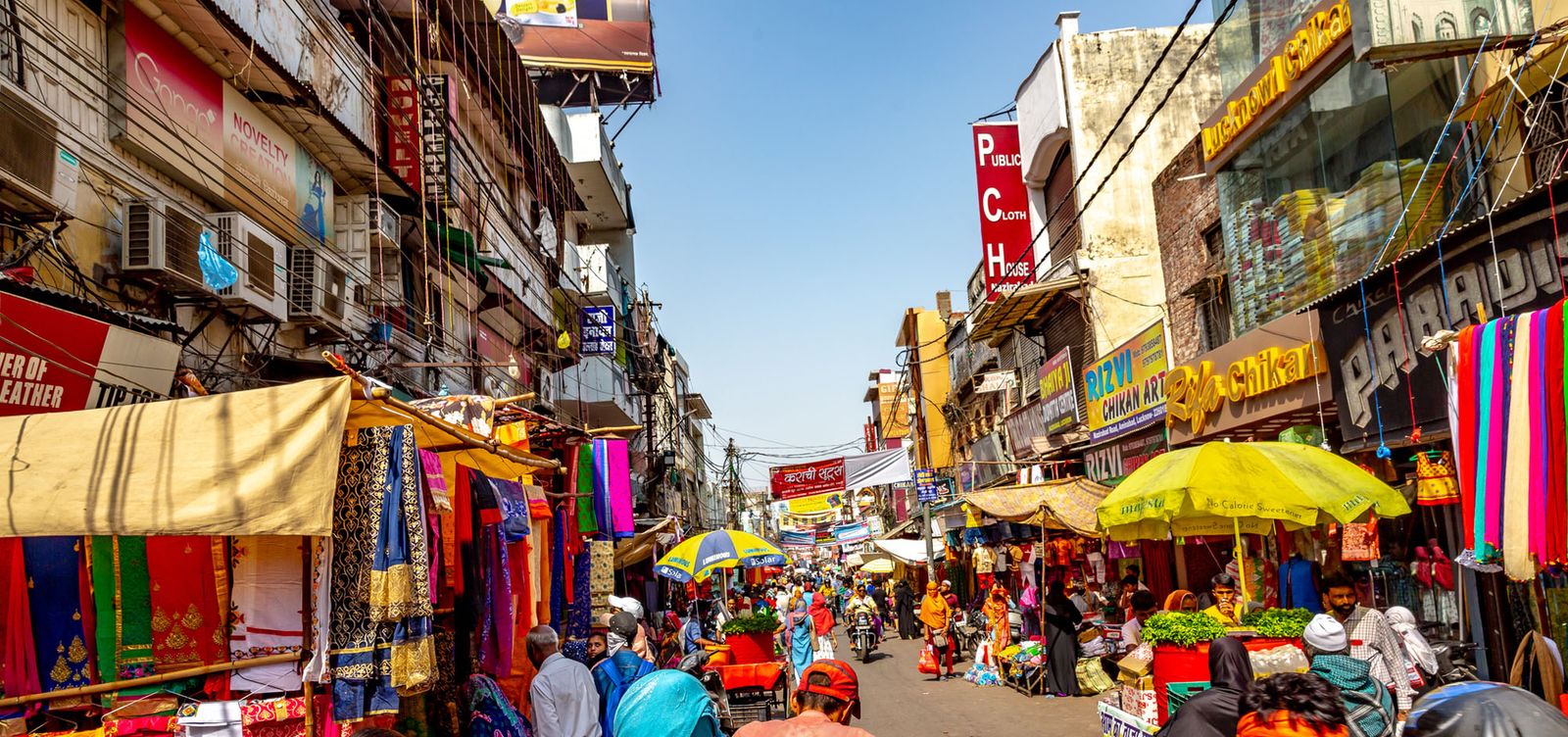
The scent hits you first — a heady collision of ground turmeric, sizzling oil, and ripe mangoes warming in the sun. Then comes the sound: a rising chorus of vendors calling out prices, metal scales clanking, and the rhythmic thwack of a knife splitting open a fresh pomegranate. Welcome to Chota Bazar, East Delhi's gloriously chaotic marketplace, where "chota" means small but nothing about this place is.
For decades, this labyrinth of narrow lanes has been the daily heartbeat for thousands of East Delhi families. And despite the gleaming malls and air-conditioned shopping complexes that have sprouted up around it, Chota Bazar hasn't budged — not in spirit, not in character. It remains defiantly, beautifully old-school.
A Market Born from Migration and Grit
After India's independence in 1947, East Delhi swelled with new residents — working-class families, migrants seeking fresh starts, entire communities planting roots in the capital's eastern corridors. Roadside vendors clustered at busy intersections to serve them, and slowly, organically, Chota Bazar took shape.
What began as a scattering of makeshift stalls has matured into a wonderfully chaotic marketplace with its own unwritten rules and rhythms. Many shops here have passed through two, even three generations of the same family. The shopkeeper who weighs your cumin today likely learned the trade at his grandfather's knee.
Watch closely, and you'll notice regulars greeting vendors by name, exchanging news alongside rupees. These aren't just transactions — they're relationships woven into the very fabric of the neighborhood.
Lane After Lane of Everything You Need
Chota Bazar doesn't specialize. It sprawls. Wander down one lane and you're surrounded by towers of fresh produce; turn a corner and you're elbow-deep in textiles. That's the magic — every few steps reveal something new.
Where Spices Perfume the Air
Deep in the market's core, produce vendors flank both sides of the main lanes, their stalls a riot of color. Seasonal mangoes and guavas glow like jewels beside everyday mountains of tomatoes, onions, and potatoes. Prices undercut the supermarkets because supply flows directly from wholesale distributors — no middlemen, no markup.
But it's the spice stalls that truly stop you in your tracks. Burlap sacks spill over with crimson chili powder, golden turmeric, and dusty-brown cumin seeds. Vendors scoop and measure on old-fashioned brass scales, and the fragrance — warm, earthy, faintly electric — clings to your clothes long after you've left.
Fabric, Color, and Festival-Ready Fashion
Beyond the food lanes, clothing shops pack their wares so tightly that garments practically tumble off the racks. Ready-made outfits for men, women, and children hang from every available hook. During Diwali or Eid, these stalls become a frenzy of families hunting for the perfect festive look.
Prefer something custom? Fabric shops sell material by the meter in silks, cottons, and synthetics, and local tailors sit just steps away, pedal sewing machines whirring, ready to stitch your vision into reality.
Kitchen Essentials, Trinkets, and Tiny Treasures
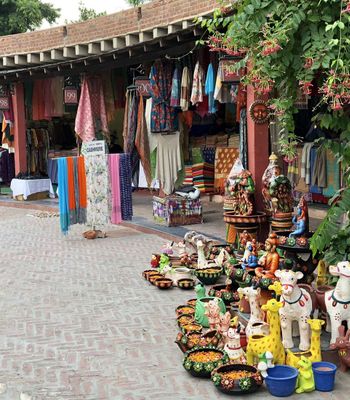
One of Chota Bazar's best-kept secrets is its sheer practicality. Need a new pressure cooker? Done. Cleaning supplies, cosmetics, footwear, phone chargers? All here, scattered across dozens of stalls beneath the open sky. Young shoppers gravitate toward the artificial jewelry and hair accessory vendors, where glittering bangles and beaded clips go for prices that barely dent a pocket.
Eat Your Way Through Every Lane
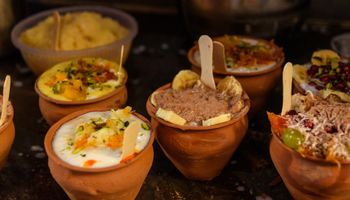
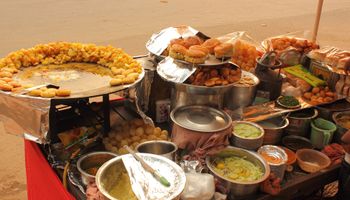
A sharp sizzle cuts through the crowd noise. Somewhere to your left, a vendor is ladling batter into a vat of bubbling oil, coaxing bright orange jalebis into spiraling shape. Somewhere to your right, a chaat cart assembles crispy dough, diced potatoes, tangy chutneys, and a shower of sev into a plate so vibrant it looks almost too good to eat. Almost.
Start with that chaat — the crunch, the tang, the slow chili burn that creeps up on you. Then graduate to chole bhature: pillowy fried bread so puffy it could float, paired with a thick, richly spiced chickpea curry that coats every bite. On cooler evenings, chase it all with a sticky-sweet jalebi dunked into a tiny clay cup of milky chai from a neighboring stall.
Feeling bold? Seek out the golgappa carts. The vendor will hand you a hollow, crackling shell filled with spiced water and tamarind chutney, and you'll have exactly two seconds to pop the whole thing in your mouth before it shatters. Honestly, the street food alone justifies the trip.
More Than Commerce — A Community Ritual
Every morning before 8 a.m., the first wave arrives: homemakers with cloth bags, working professionals grabbing vegetables on their way to the office. By mid-morning, the market reaches full volume — a symphony of haggling, laughter, and the rustle of plastic bags being stuffed with the day's haul.
Bargaining isn't just expected here; it's practically an art form. A raised eyebrow, a counter-offer, a dramatic pause — and then the handshake. Fixed prices belong to the malls. In Chota Bazar, every transaction is a small, friendly performance.
During Diwali, Eid, and Holi, the market amplifies tenfold. Stalls overflow with diyas, fairy lights, boxes of mithai, and colorful gulal powder. The crowds thicken, the energy crackles, and the entire bazaar feels like a festival venue rather than a shopping destination. If your visit coincides with one of these celebrations, consider yourself lucky — no mall on earth can replicate this electricity.
Street-Smart Tips to Navigate Like a Local
Timing matters. The market runs from early morning until late evening, but the sweet spot is before 10 a.m. — fewer crowds, the freshest produce, and vendors in generous moods. Peak chaos hits between 10 a.m. and 1 p.m., which is exhilarating but intense.
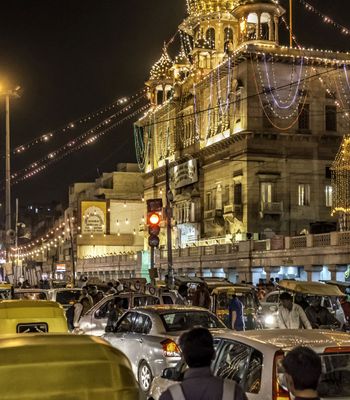
Evening visits carry their own charm: hanging lights flicker on, temperatures drop, and the pace softens into something almost leisurely.
Carry small-denomination cash — most vendors don't accept cards, and while a few have adopted digital payment apps, rupee notes remain king. Wear shoes you don't mind scuffing on uneven lanes, and keep bags zipped and close to your body during the busier hours.
Finding Your Way There
East Delhi's transport network makes reaching Chota Bazar refreshingly simple. Hop off at the nearest station on the Delhi Metro's Blue Line and grab an auto rickshaw or e-rickshaw for the short, inexpensive ride to the market's edge. Delhi Transport Corporation buses also crisscross the area if you're watching every rupee.
Ride-sharing apps like Ola and Uber work well for door-to-service convenience, though afternoon congestion around the market can slow things down. Your fastest bet? Metro plus e-rickshaw, or simply walking from the nearest station if it's within a kilometer.
Why Chota Bazar Deserves a Spot on Your Delhi Itinerary
Slow down here. Chat with the spice vendor about which chili has the most heat. Let the chai wallah pour you a second cup. Lift your camera and capture the kaleidoscope of stacked fruit, weathered shop fronts, and candid moments of commerce that unfold in every direction.
Chota Bazar isn't polished, and it isn't trying to be. It's raw, real East Delhi — a place where tradition and community converge in a tangle of narrow lanes and loud, generous voices. Add it to your itinerary, and you'll walk away with a side of the city that most guidebooks never even mention.